
The Inverted Reality: How “Islamic Art” Became a Monument to Spiritual Decline
Continuing from my Academia.edu status posts in response to Christiane Gruber:
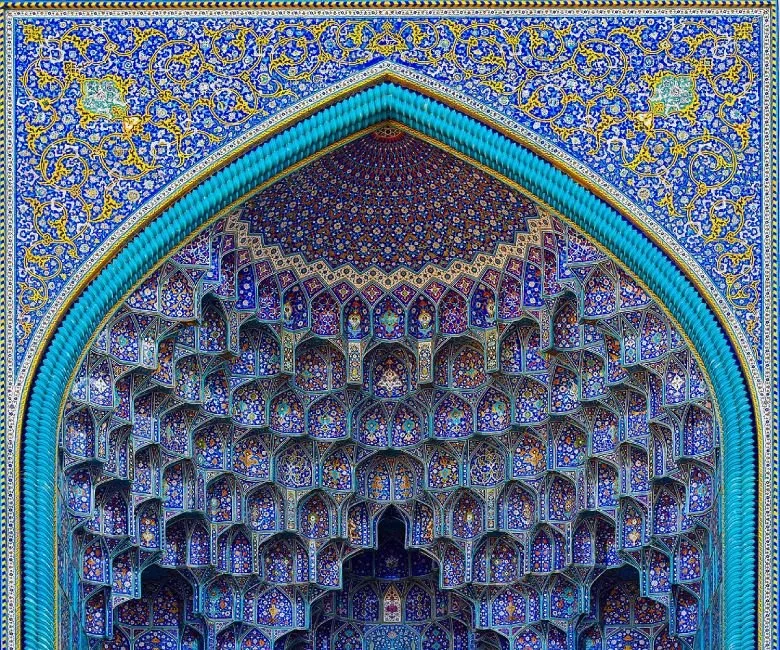
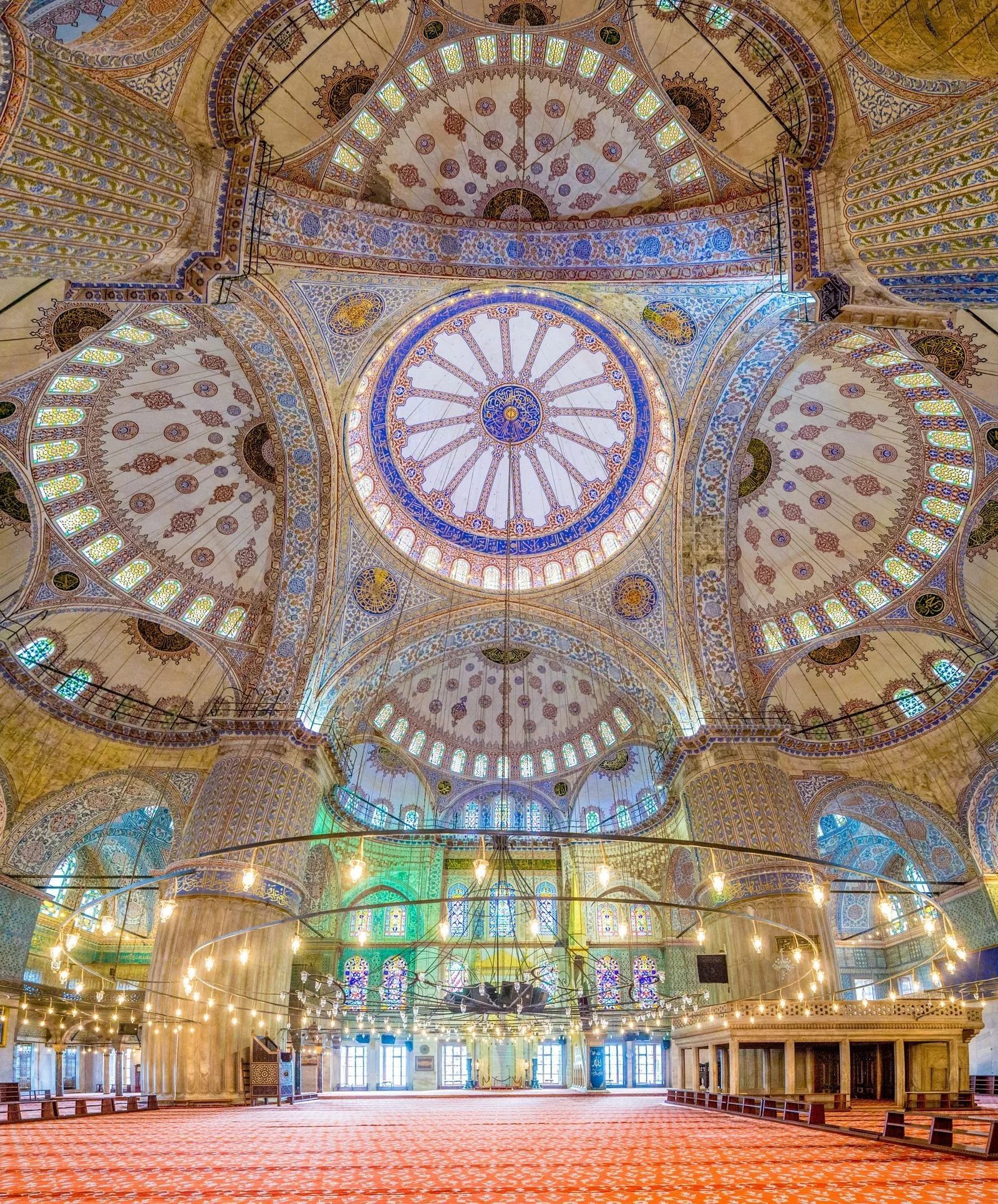
Elaborate tile-work (like that of the Shah Mosque in Isfahan or the Blue Mosque in Istanbul below), intricate geometric vaulting, and gilded calligraphy are celebrated as the supreme artistic expressions of Islamic civilization. These architectural extravagances are not achievements of Islamic piety; they are acts of direct disobedience to Prophetic instruction.
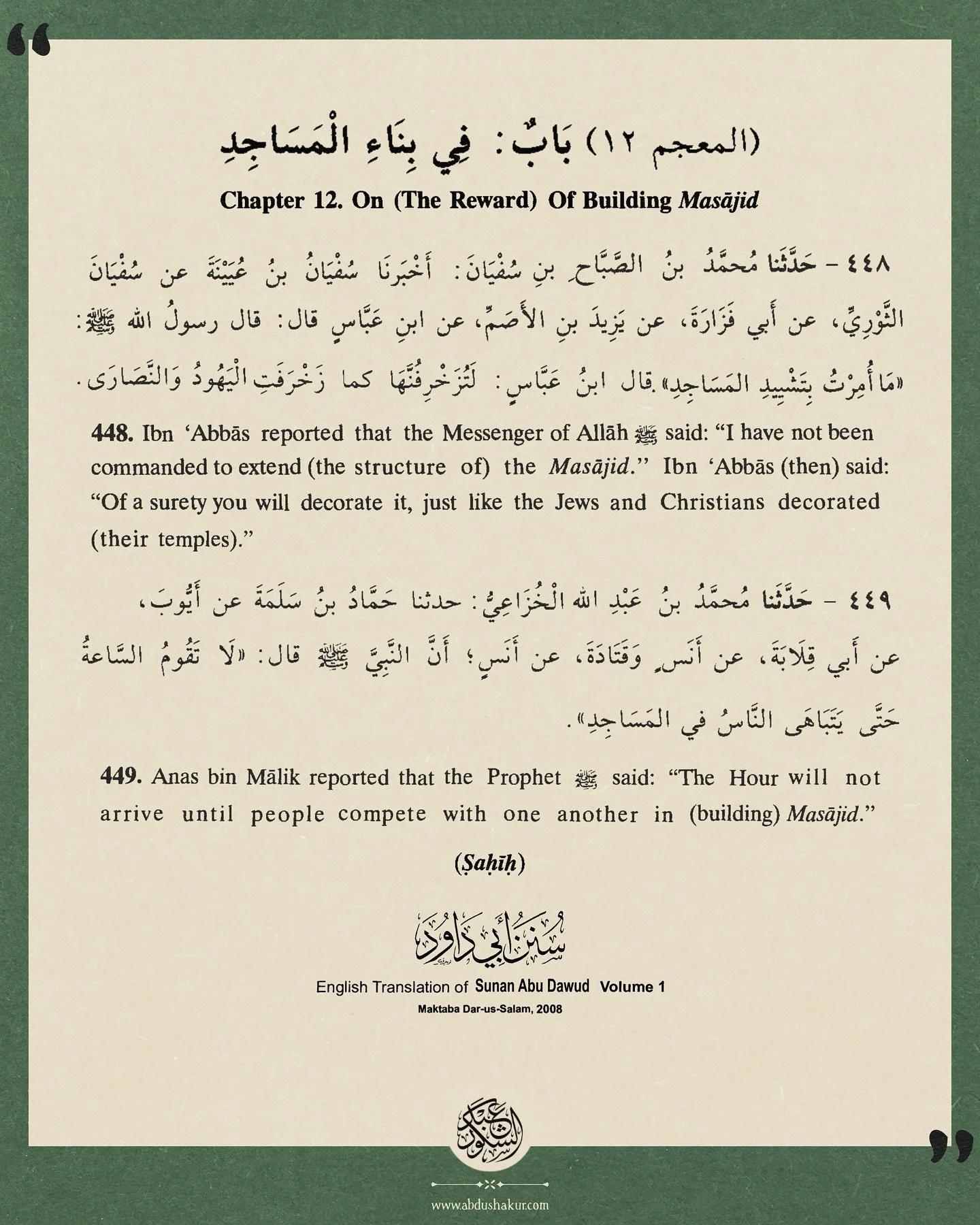
The above image highlights two hadith that the Prophet صلى الله عليه وسلم explicitly warned against architectural expansion and ostentation. Therefore, decorating a mosque like a palace turns a house of simple worship into a display of worldly pride. As for the mention of the Final Hour, this action is not the sole necessary component of its arrival nor is the arrival based on the concept of human time, in the event that anyone thinks that due to the Final Hour not arriving as these decorated mosques exist negates both.
The warning is not abstract. It describes a concrete historical pattern: the transformation of simple places of worship into arenas of visual competition. That pattern is exactly what appears when we look at the religious buildings of those who came before.
Below: The Dohány Street Synagogue, Budapest, Hungary (Image Source), and The Sistine Chapel, Vatican City, Rome, Italy (Image Source).
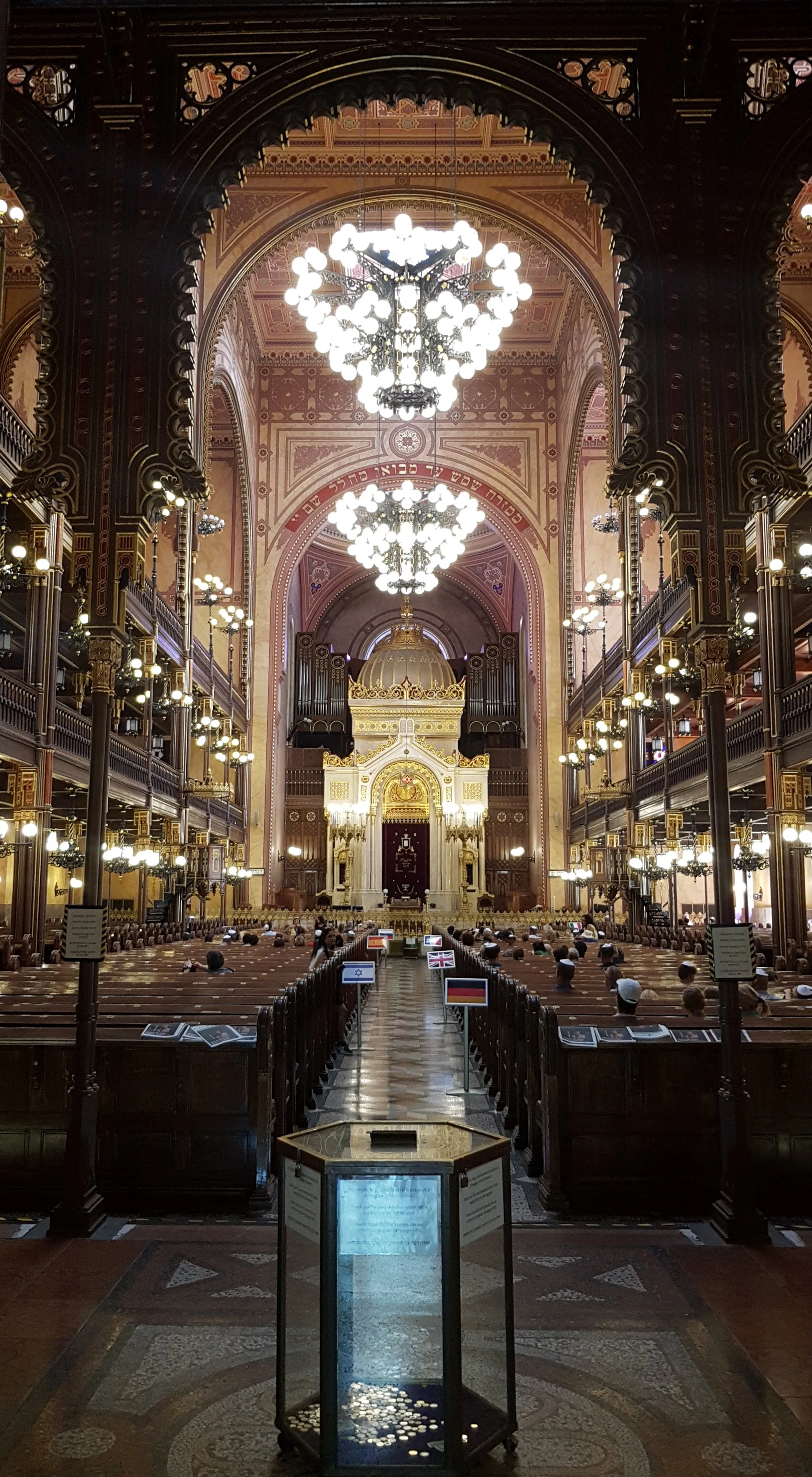
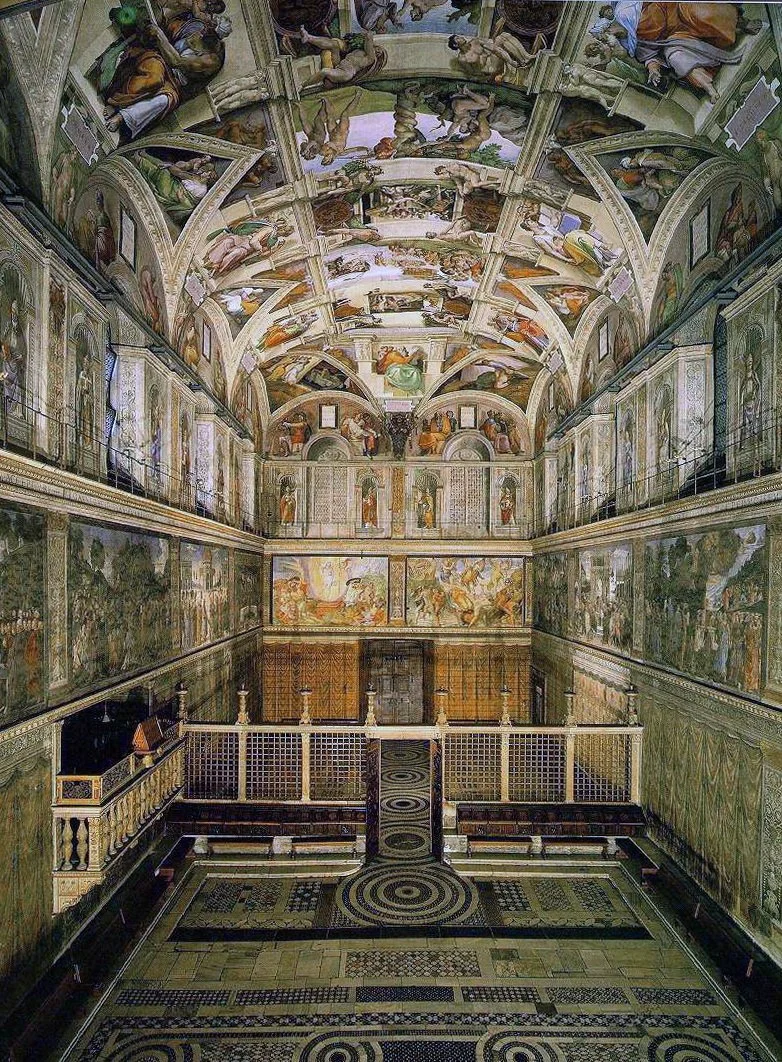
This ostentation is not merely “bad design choices,” rather, it is the physical fulfillment of end-times prophecies. When people stand inside a grand, heavily tiled mosque and marvel at its scale, they believe they are admiring “great Islamic heritage.” Based on the ahadith (attached), what can be deduced from them is that turning the most sacred space, a House of Allah (a mosque) into a visual spectacle mimics the exact practices of prior religious traditions (of the Jews and Christians, and by extension, the Hindus and Buddhists) that prioritized external sensory splendor over internal spiritual purity.
Once sensory splendor is normalized as a mark of religious greatness, the logic does not stop at the People of the Book. It continues until the sacred space itself becomes a spectacle, whether tiled, gilded, or filled with cartoon figures.
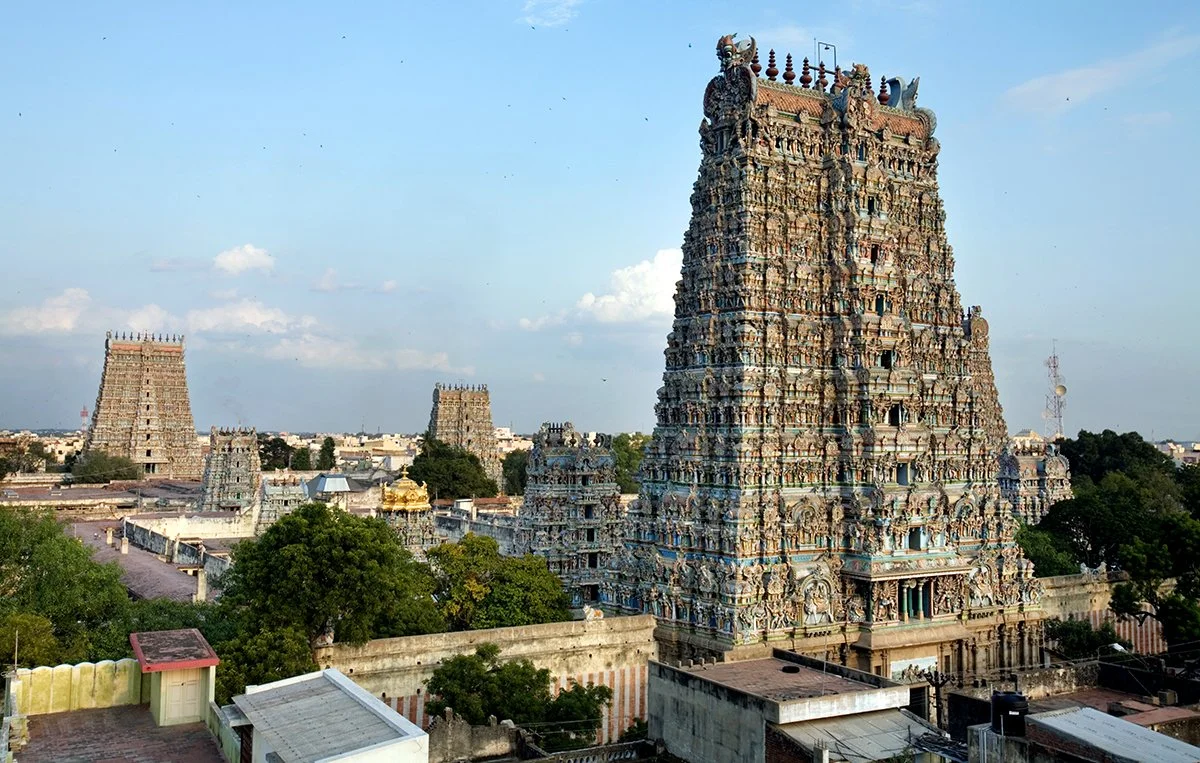
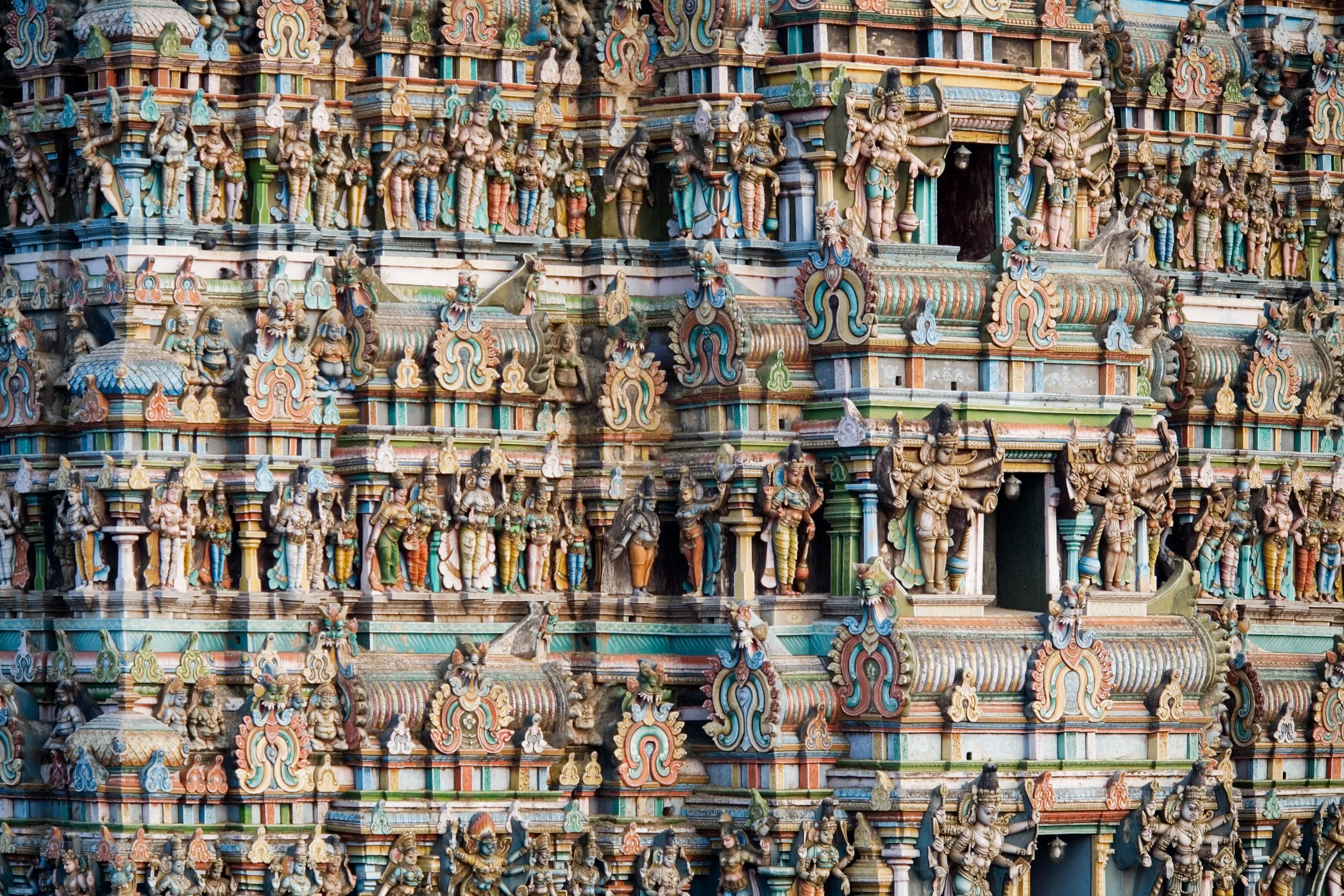
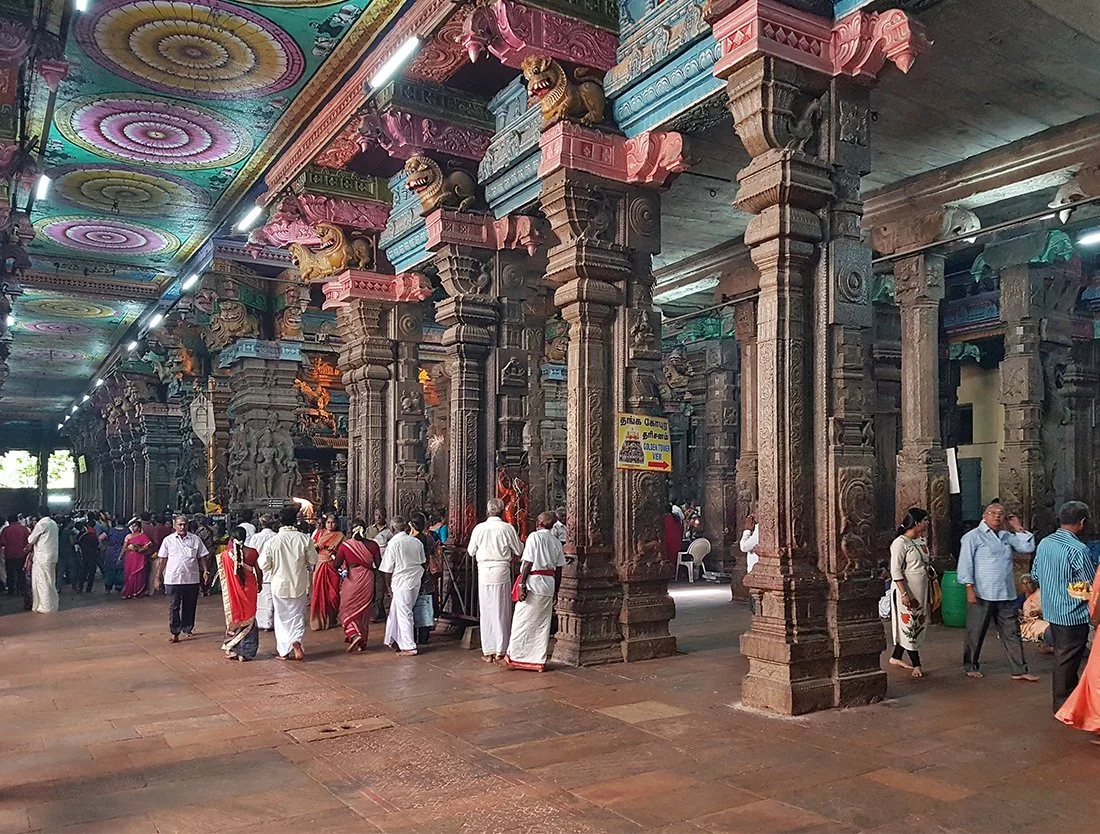
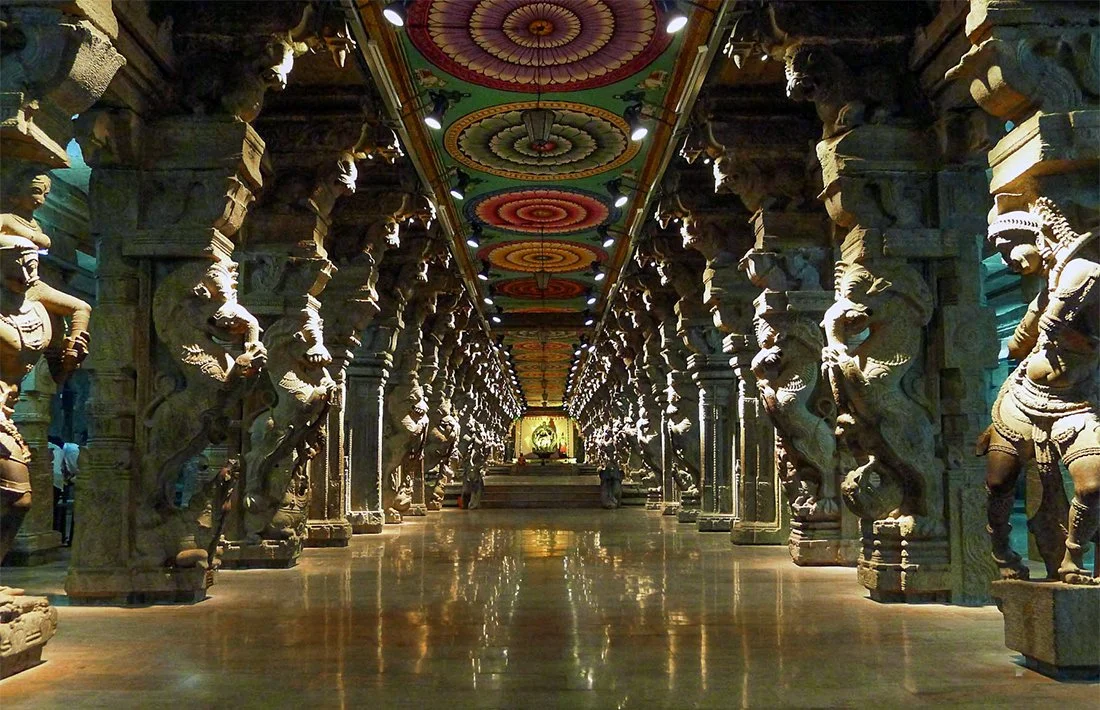
Below is an example of the resulting absurdity alluded to and forewarned against in these hadith, despite the obvious and more conservative approach by Muslims, the decorative approach is not merely a practice among the Jews and Christians. Below are some examples of the Wat Pariwat Buddhist Temple in Bangkok, Thailand, originally founded to honor Buddha, it has been appropriately dubbed the Cartoon Temple (Image Source). Compare that to the equally decorated, albeit less childish, Hindu temple The Meenakshi Temple at Madurai (Image Source).
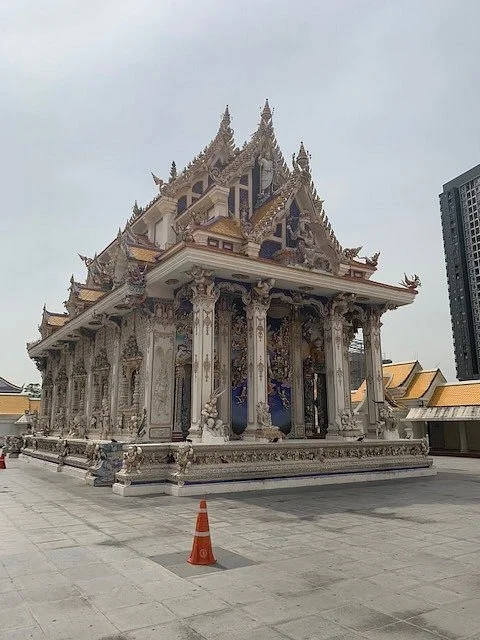
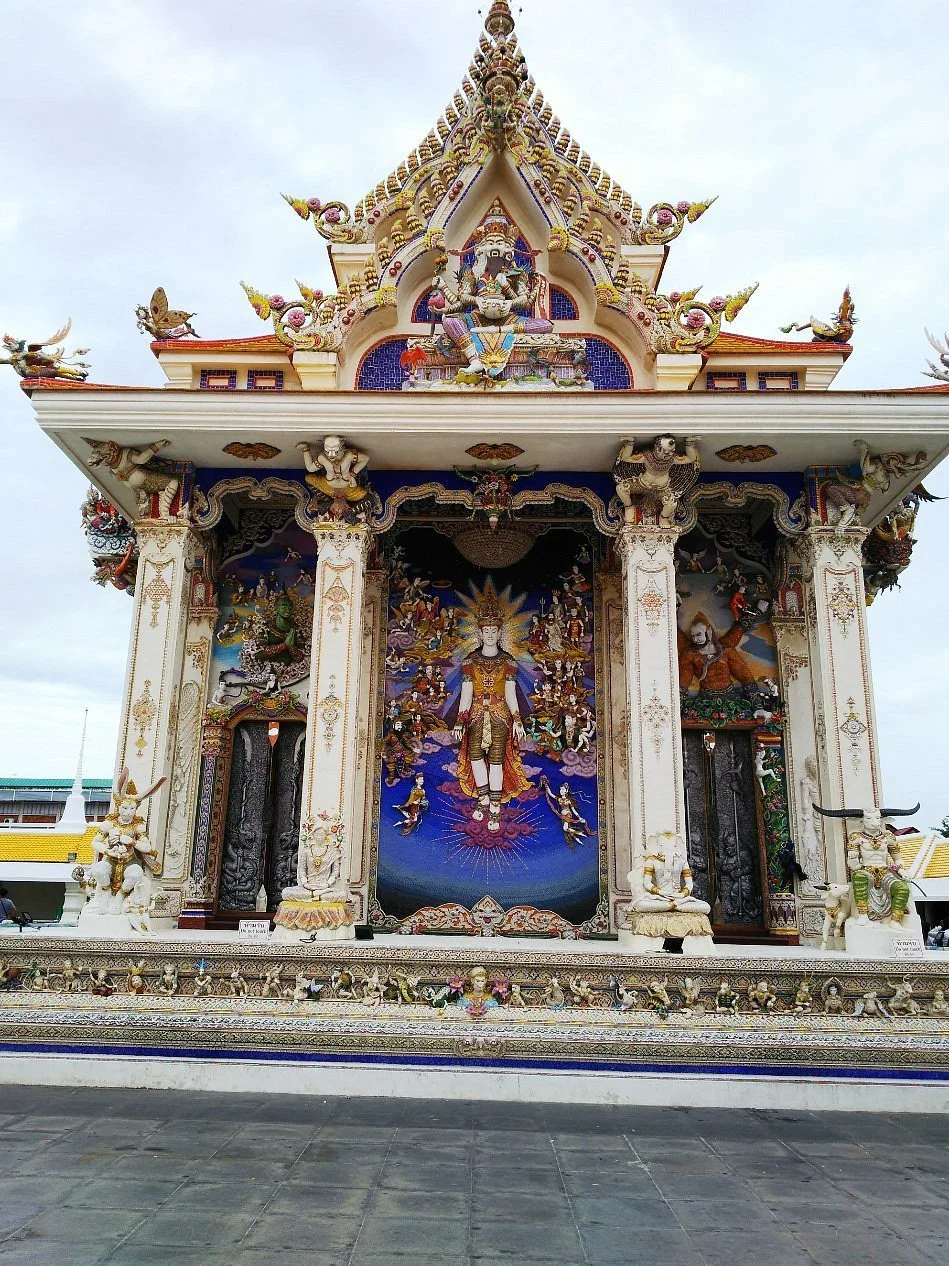
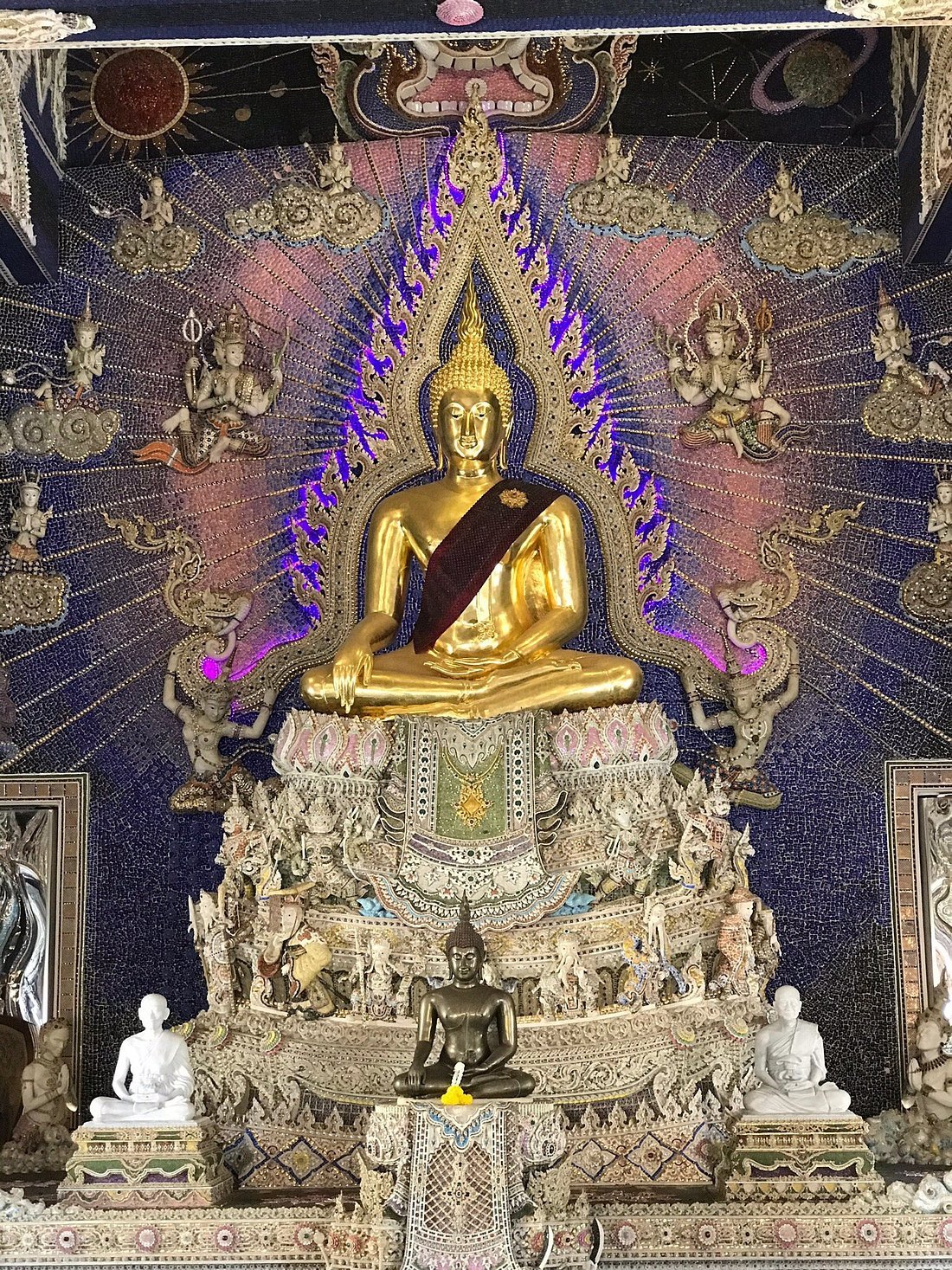
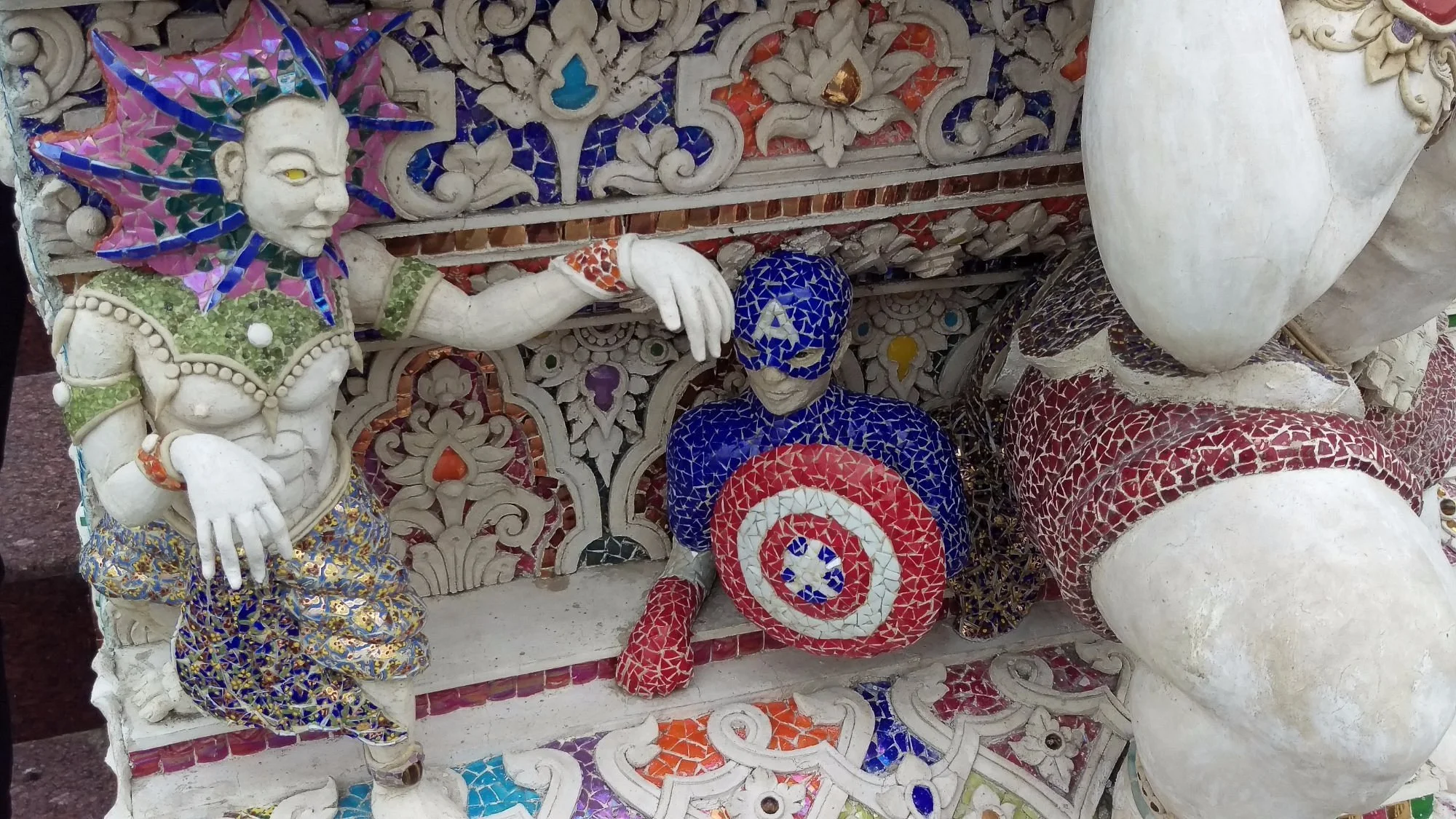
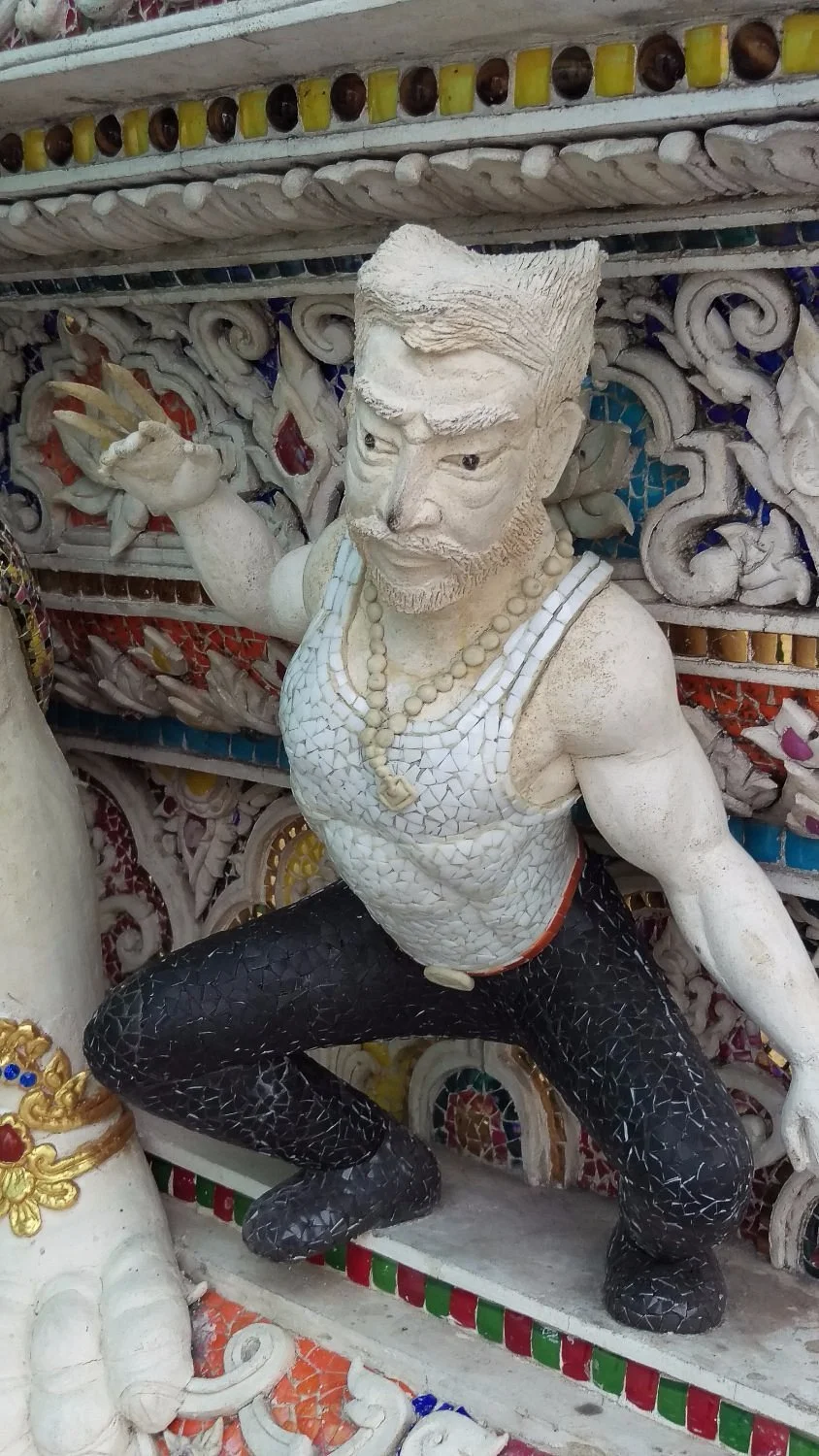
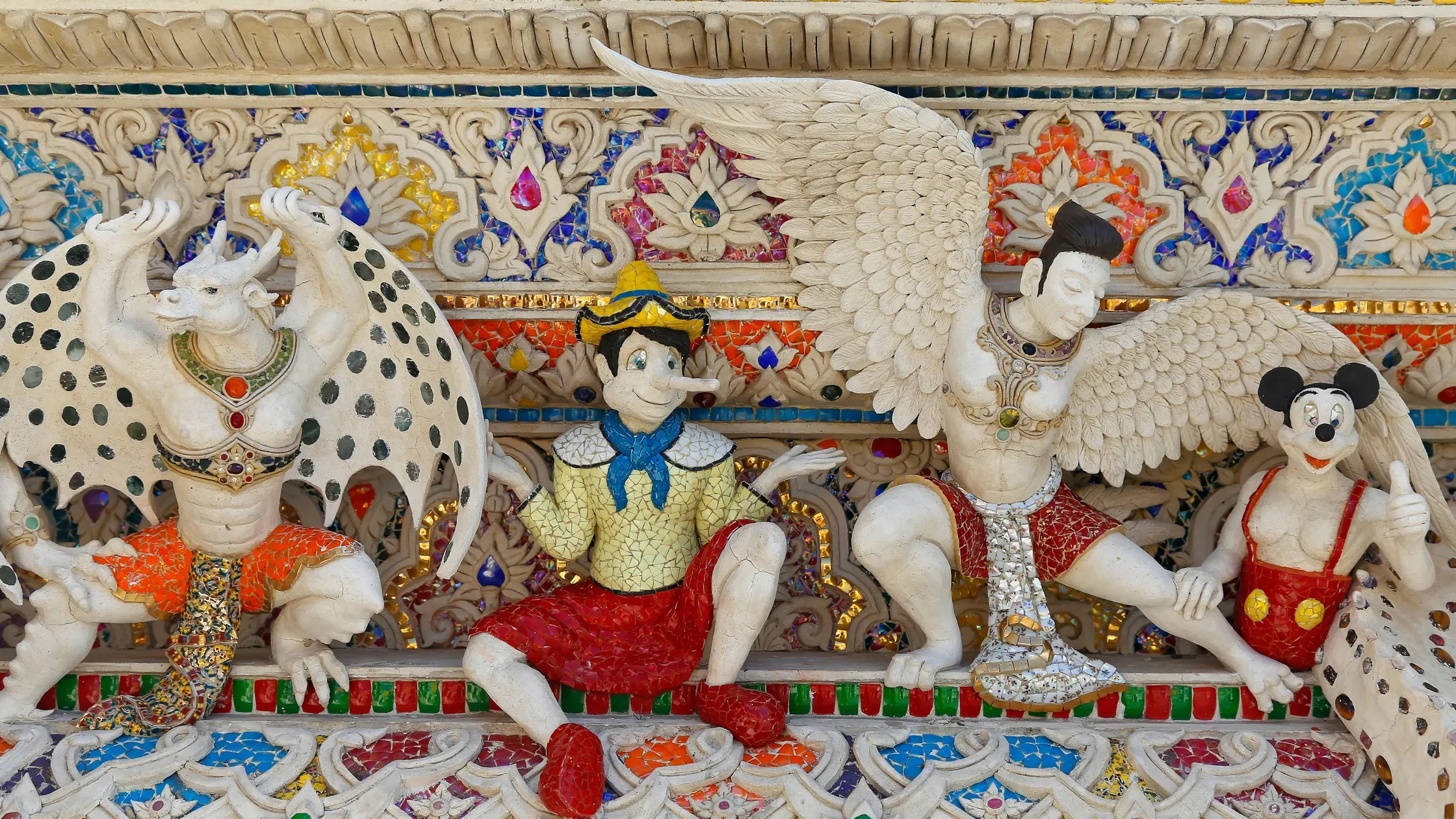
This is the trajectory the Prophet صلى الله عليه وسلم warned against. Yet it is precisely the trajectory that Orientalist and secular historians celebrate as the high point of Islamic artistic achievement.
These examples highlight one of several reasons why other religions cannot address the issue of the Strange Place (Elkins) or the Invisibility (Anderson) of religion in contemporary art. Opening that door would inevitably expose the theological inconsistencies and corruptions of the Orientalists in contrast with real Islamic text and law exposing the flawed nature of their outsider framework and their reverse-engineering of meaning.
Look at the paradox! The very architecture that Orientalists and secular historians (as well as the bewildered Muslim masses grasping for identity outside of their religion) point to as proof of Islam's historical “flourishing” (royal mosques with infinite, intricate geometric tiles and gilded calligraphy) are, in reality, physical monuments sitting precisely inside the fulfillments of Islamic warnings about spiritual decline. So the question remains: who are these detachments in the form of Orientalist essays intended for? What is the ultimate goal of separating Islam from the art attributed to it?
“(Iblis/Satan) said: ‘Because You have sent me astray, surely I will sit in wait against them (human beings) on Your Straight Path. Then I will come to them from before them and behind them, from their right and from their left, and You will not find most of them as thankful ones (i.e. they will not be dutiful to You).’” (Surah al-A'raf 7:16-17)
“In their hearts is a disease (of doubt and hypocrisy) and Allah has increased their disease. A painful torment is theirs because they used to tell lies.” (Surah al-Baqarah 2:10)
“...as for those who believe, they know that it is the Truth from their Lord, but as for those who disbelieve, they say: ‘What did Allah intend by this parable?’ By it He misleads many, and many He guides thereby. And He misleads thereby only those who are Al-Fasiqun (the rebellious, disobedient to Allah).” (Surah al-Baqarah 2:26)
The inversion is complete when the very structures that fulfill the warning are then labeled the purest expression of the religion that forbade them. That labeling is not neutral description. It is a deliberate detachment of the object from the text.
This detachment has consequences that go beyond architecture. When ‘Islamic art’ is defined by culture, geography, and dynasty rather than by the religion itself, the Muslim who stands outside those categories is quietly erased.
When a secular historian analyzes a 16th-century royal mosque, they evaluate its engineering, patrons, and visual aesthetics. This approach completely ignores the foundational theology: the patrons built the very thing the Prophet صلى الله عليه وسلم explicitly warned them not to build. To label those structures “the purest expression of Islam” is, in fact, a total inversion of Islamic reality.
In academia, Islamic art is used primarily as a cultural, historical, and geographic descriptor—meaning art produced within the Islamic world, under Muslim rule, or for Muslim patrons. It does not explicitly state whether the "art" object is religiously mandatory or legally permissible. That association is implicit when we see the introduction of political discourse and calls for Regime Change.
Gruber openly declares this project with her 2024 book title Regime Change: New Horizons in Islamic Art and Visual Culture. She is not hiding it. She is explicitly stating that she intends to change the “regime” of how we understand Islamic art. But what regime is she trying to change? The regime of Prophetic authority. And what regime is she trying to install? The regime of secular historiography? This is not scholarship; it is ideological warfare.
Note on Sacred Sites: While al-Masjid al-Haram, Masjid an-Nabawi, and al-Aqsa Mosque have similarly been affected by the decoration that Ibn Abbas warned would occur, they occupy a unique theological position as obligatory components of Islamic practice (Hajj, Umrah, and the spiritual significance of Jerusalem). This critique specifically targets the proliferation of ornate royal mosques—the Shah Mosque, the Blue Mosque, and similar structures—built for dynastic power and aesthetic display, which serve no obligatory spiritual function other than to be places of worship. The corruption is universal, but the theological implications differ.
This approach is corrupt because attempting to attach the term “Islamic” to art implies (despite intentions) that the art attributed to Islam is sanctified—just as we speak of Islamic revelation, Islamic prayer, Islamic worship, or Islamic pilgrimage. The issue is not merely the permissibility or impermissibility of this matter; it is also the act of attribution—associating something with Islam in a flagrant manner and disseminating that corruption with unwarranted authority and a false sense of Western chauvinism (conscious or indoctrinated).
What do we make of Muslims who do not share a certain culture, or geographic affiliation? That history is what is being eroded deliberately by the revisions offered by the obfuscators (Orientalists). As a Muslim of Latin American descent, as a visual artist whose work stems from these texts and lived reality, and not just myself, but many of us, these Orientalist fantasies of Islamic art contradict the very foundation of the Islam it desperately seeks to be passively attributed to. This is the bastard misnomer. Is my art not Islamic because I do not share a culture or geographical location with past Muslims? If the belief and the religion is all we are bound by, as Allah explicitly reveals:
“And He has united their (believers’) hearts. If you had spent all that is in the earth, you could not have united their hearts, but Allah has united them. Certainly He is All-Mighty, All-Wise.” (Surah al-Anfal 8:63)
Then it stands to reason and common sense, that everything Islamic must be founded on Islam, and cannot be stripped away from it to suit the whims of people who refuse to differentiate between their knees and elbows.
The texts that forbid this ostentation and that define what may be attributed to Islam are not later interpretations. They are not the product of any subsequent political movement or school.
And all of this was revealed before the birth of Muhammad bin Abdul Wahhab and the creation of the Saʿudi State, before the Ottoman Empire, before the Umayyads, before the Abbasids, before the Safavids, before the Ilkhanate, before Sufism ever existed, Gruber.